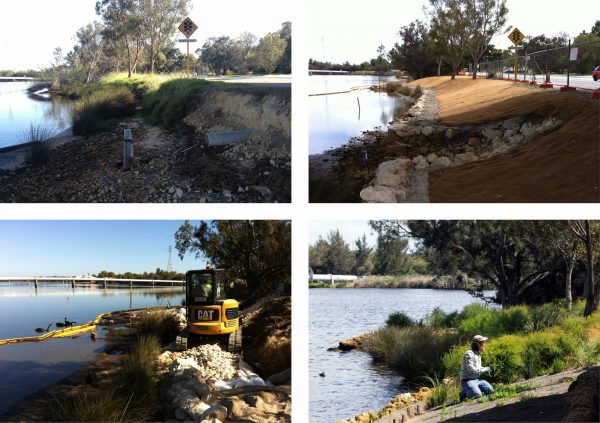
Centenary Avenue
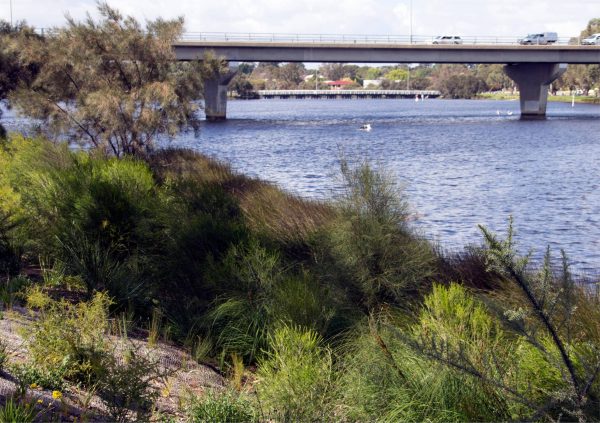
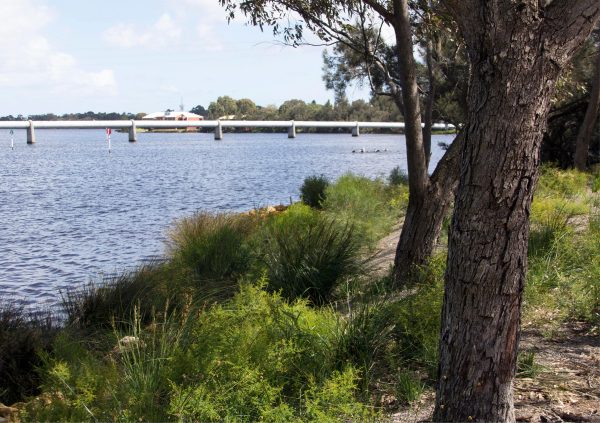
A foreshore restoration project that has transformed a once severely eroded section of the Canning River foreshore
Location: Wilson, Perth, Western Australia
Client: City of Canning
Time frame: 2016 – Ongoing
Services provided by Syrinx
Bioengineering; Contaminated Site Management; Ecological Engineering; Ecological Restoration; Natural Resource Management; Specialist Construction
Project Phases Delivered
Project Phases Details
Syrinx Involvement (completed)
Syrinx Involvement (in progress)
Others’ Involvement (completed)
Others’ Involvement (incomplete)
Project handover
A foreshore restoration project that has transformed a once severely eroded section of the Canning River foreshore
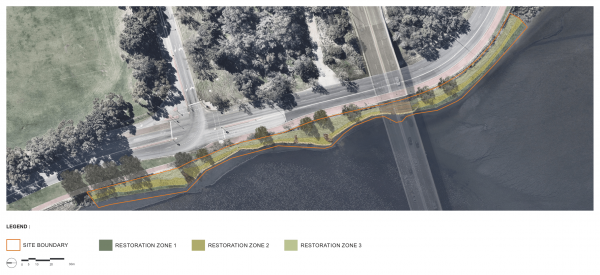
This Centenary Avenue project is a best-practice exemplar of integrated hard and soft (bioengineering) stabilisation techniques with enhanced ecological functions.
Syrinx delivered the project from planning through to construction and monitoring/maintenance. Acquiring a detailed understanding of the biophysical site characteristics was a key component of design development and critical to ensuring the project’s long-term success. Investigations carried out by Syrinx included: acid sulfate soils investigations, geotechnical assessment, vegetation assessment and foreshore morphology.
Key components of the construction and site management works included: Limestone rock revetment; Reclamation and infill; Erosion matting; Bioengineering (Brushwalls); Revegetation; and Weed Management.
Key outcomes
- Stabilisation of severely eroded foreshore, to protect the foreshore and adjacent infrastructure.
- Successful showcasing of a range of best practice initiatives in foreshore erosion control.
- Improvements to the health and ecological value of the Swan River.
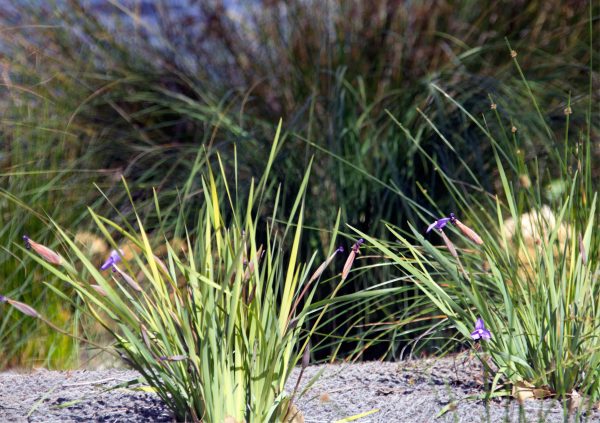
- Restoration of riparian vegetation and habitat.
- Successful management of acid sulfate soils.
- Improvements to public safety.