Iluka North Capel
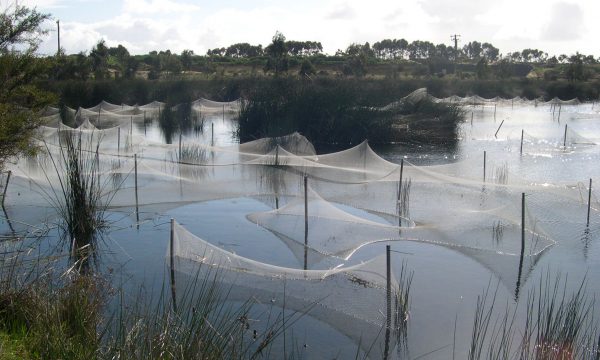
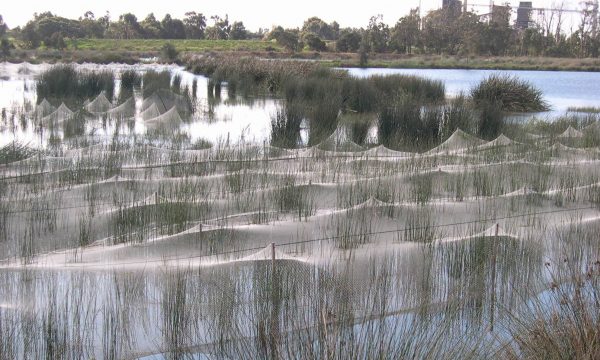
The Iluka North Capel project involved design, construction and monitoring of a large constructed wetland
Location: Capel, Western Australia
Client: Iluka Resources
Time frame: 2000 – 2006
Services provided by Syrinx
Constructed Wetlands and Biofilters; Contaminated Site Management; Ecological Engineering; Integrated Resource Management; Specialist Construction; Sustainable Remediation; Wetland Science
Project Phases Delivered
Project Phases Details
Syrinx Involvement (completed)
Syrinx Involvement (in progress)
Others’ Involvement (completed)
Others’ Involvement (incomplete)
Project handover
The Iluka North Capel project involved design, construction and monitoring of a large constructed wetland
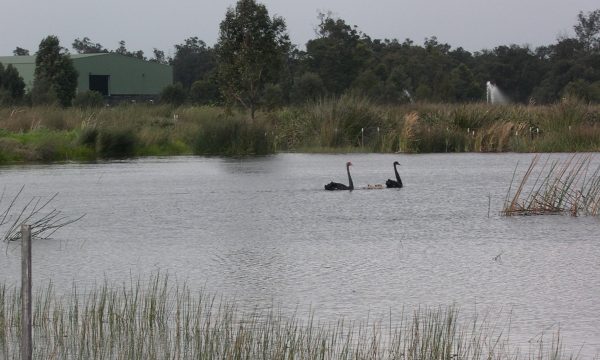
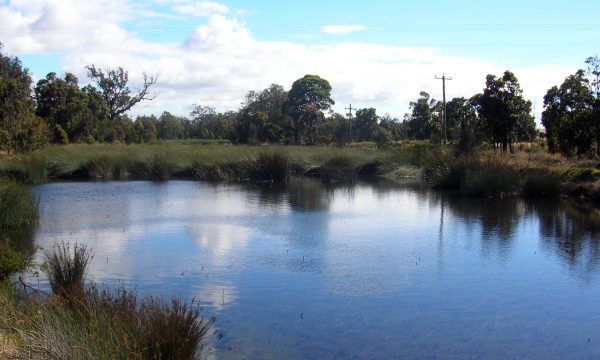
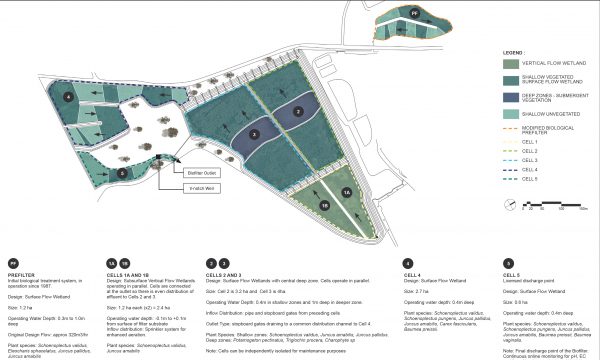
The Iluka North Capel project involved the design, construction and monitoring of a large (12ha) constructed wetland and vertical flow biofilter for the treatment and reuse of process wastewater from Iluka’s Synthetic Rutile Operations. The system is also used to treat contaminated groundwater arising from former storage dams.
The project required complex profiling of the process water stream and Plant reuse demands due to variable flows and loadings resulting from Plant maintenance and production fluctuations. The system has been
functioning with minimal intervention for 20 years, and is one of the oldest successful industrial wetlands in Australia.
Awards and achievements
- The biofilter/wetland system has been successfully treating ammonia and metalliferous contaminated flows since its inception.
- It is a predominantly passive treatment system that requires minimal maintenance and enables recovery and reuse of a significant volume of water that once discharged nutrient enriched/
contaminated water to the Capel River. - It has restored a significant area of the site adding biodiversity and amenity values.
Key outcomes
- Treatment & reuse of high volumes of process water (4,800 – 9,600m³/day) with variable concentrations of ammonia nitrogen, manganese, iron, sulphate and other salts.
- Provision of a sustainable, cost effective and low maintenance system with reliable long-term performance.
- Improved corporate reputation.
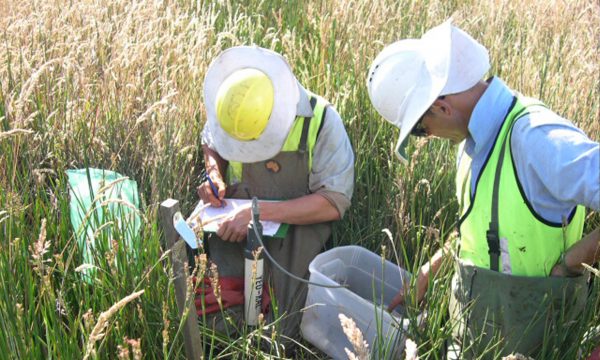
- Provision of educational opportunities for tour groups and researchers.